
Chongfan Technology
News
03
2026
-
06
A Stepped-Frequency Linear Frequency-Modulated Radar Transmitter Architecture Based on Space-Time Coded Metasurfaces
Author:
The team of Tie Jun Cui, Qiang Cheng, and Jitong Ma at Southeast University has proposed a stepped-frequency linear frequency-modulated (SF‑LFM) architecture based on space–time coded metasurfaces (STCM). This architecture combines STCM‑controlled discrete narrowband frequency-modulated signals into a coherent wideband detection waveform, increasing the radar system’s frequency‑modulation bandwidth by two orders of magnitude—from 1 MHz to 256 MHz. Consequently, it achieves decimeter‑level range resolution and enables high‑precision target localization. Moreover, the architecture can jointly estimate target range and velocity with decimeter‑level accuracy while integrating dynamic reconfigurable beamforming capabilities. The SF‑LFM radar transmitter they propose features both low hardware complexity and high‑accuracy detection performance, holding promise for next‑generation electronic systems in applications such as autonomous sensing and industrial monitoring.
The research findings were published on May 26, 2026, in Advanced Functional Materials, under the title “Stepped-Frequency Linear-Frequency-Modulation Radar Transmitter Architecture Based on Space-Time-Coding Metasurface.”
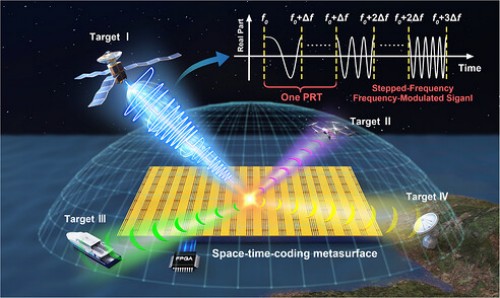
Figure 1: Schematic diagram of an SF-LFM radar transmitter based on STCM.
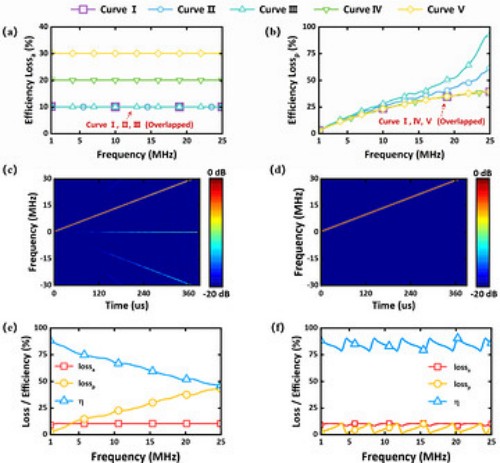
Figure 2: (a, b) Simulation results showing the effects of amplitude and phase errors on the generated waveform at different generation frequencies.
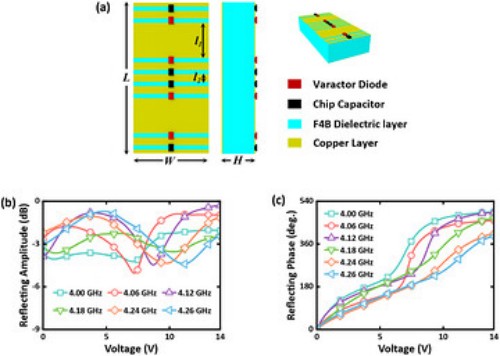
Figure 3: Programmable metasurface and its electromagnetic properties
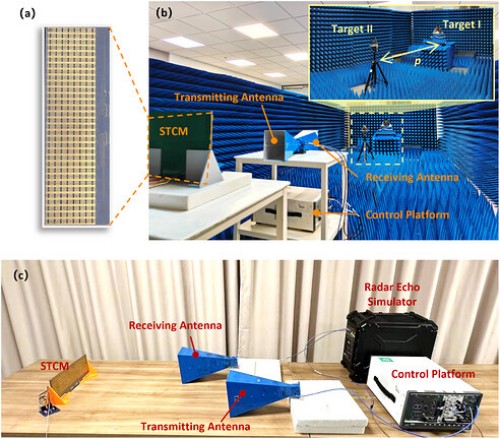
Figure 4: Experimental Setup Configuration
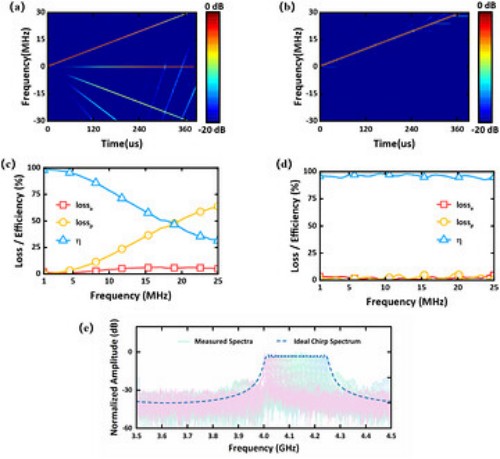
Figure 5: Comparison of the results between the directly generated STCM signal and the STCM signal generated using the stepped-frequency method.
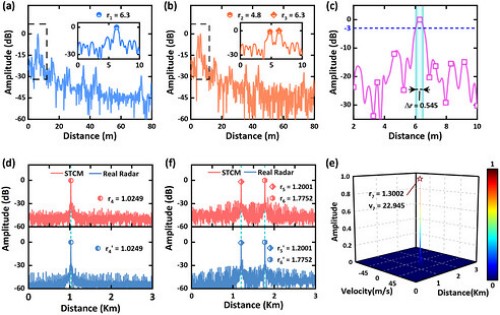
Figure 6: (a, b) Distance measurement results for single-target and multi-target scenarios in laboratory tests.
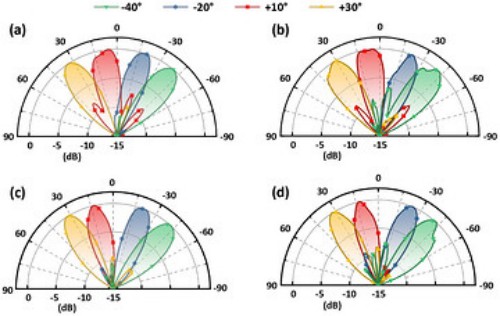
Figure 7: Measured Radiation Pattern of a Radar Transmitter Based on STCM
Source: Optics World
LATEST NEWS
Thank you for visiting the official website of Chongfan Technology. If you have cooperation intentions or suggestions, please contact us through the following methods, and we will reply as soon as possible, thank you!
Address: Room 403, Building 6, Phase III of R&D, No. 36 Xiyong Avenue, High tech Zone, Chongqing, China.
Telephone: +86-13658337211
E-mail: Sales@cfkeji.net
Website: www.cfkeji.net
Mobile Version