
Chongfan Technology
News
16
2026
-
03
The Shanghai Institute of Optics and Fine Mechanics has made new progress in research on high‑efficiency, wide‑field scattering imaging that overcomes the optical memory effect.
Author:
Recently, the Department of Aerospace Laser Technology and Systems at the Shanghai Institute of Optics and Fine Mechanics, Chinese Academy of Sciences, proposed an Encoding Sparsity Optimization (ESO) method and a Localization-and-Gray-Scale Fusion (LG-Fusion) reconstruction method, successfully achieving large-field-of-view, low-data, high-quality scattering imaging through layers of biological mouse brain slices. The relevant findings, titled “Large field-of-view imaging through scattering layers with optimized illumination and localization-grayscale fusion,” were published in Laser & Photonics Reviews.
The inhomogeneity of the refractive index of a medium can disrupt the propagation direction of photons, leading to severe image degradation. Ballistic light–based scattering imaging techniques are limited by their imaging depth, while imaging techniques that rely on scattered light typically require extensive iterations and measurements, or are constrained by the field of view. In recent years, a scattering imaging method based on Nonnegative Matrix Factorization (NMF) has been developed, enabling wide‑field, non‑invasive imaging through scattering layers without any prior knowledge of the medium. This method leverages the feature unmixing capabilities of nonnegative matrix factorization to extract fingerprints from intensity‑summed speckle patterns. By performing point‑by‑point localization based on fingerprint deconvolution, the field of view can be extended to the regime of supermemory effects. However, this method requires large amounts of data, lacks intrinsic grayscale information, and is prone to artifacts and background noise.
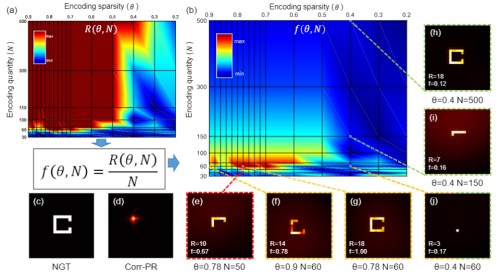
Figure 1: Sparsity Optimization and Reconstruction Results of the ESO Method
To address the aforementioned key challenges, researchers constructed an optimal reconstruction reward function and, through optimization, determined the best coding sparsity level, thereby maximizing the efficiency of target information transmission. This approach enabled an 8.3‑fold reduction in data requirements while maintaining large field of view and high‑quality reconstructions, and the researchers also validated the generalizability of the optimized parameters across different targets and distinct regions within scattering media. Building on this, the researchers further refined the reconstruction algorithm framework based on nonnegative matrix factorization, fully leveraging the intensity fluctuation matrix that had previously gone untapped in conventional methods, and combined it with statistical analysis to extract grayscale information about the target object. In global reconstruction, the process of superimposing sub‑region images—commonly employed in traditional methods—was abandoned in favor of constructing the entire image by relying on the relative vectorial relationships between individual pixels; as a result, the reconstructed images exhibited a clear background free from artifacts. This method successfully achieved 16‑level grayscale imaging over a 138‑μm field of view (approximately 4.3 times the memory effect range) through a 200‑μm layer of mouse brain tissue, breaking through the core bottleneck in strong scattering media imaging where it has been difficult to simultaneously optimize “field of view–data volume–imaging quality.” It thus offers a brand‑new technological pathway for deep optical imaging of biological tissues, microscopic observation in neuroscience, and scattering imaging in extreme environments.
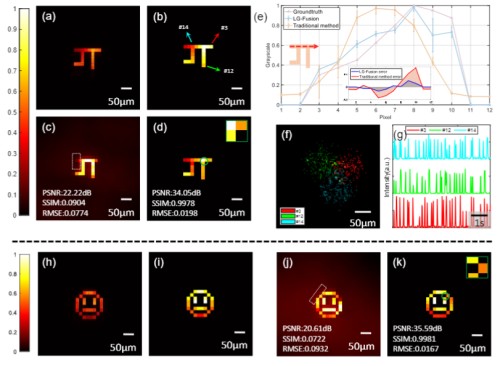
Figure 2: Gray-scale image reconstruction results using the LG-Fusion method
Source: Shanghai Institute of Optics and Fine Mechanics
LATEST NEWS
Thank you for visiting the official website of Chongfan Technology. If you have cooperation intentions or suggestions, please contact us through the following methods, and we will reply as soon as possible, thank you!
Address: Room 403, Building 6, Phase III of R&D, No. 36 Xiyong Avenue, High tech Zone, Chongqing, China.
Telephone: +86-13658337211
E-mail: Sales@cfkeji.net
Website: www.cfkeji.net
Mobile Version