
Chongfan Technology
News
03
2026
-
07
Spatiotemporal Shaping of Broadband Spiral Optical Pulses under Strong Relativistic Intensities
Author:
The team of Andrew Longman at Lawrence Livermore National Laboratory has demonstrated the generation of optical springs at relativistic intensities—exceeding 1.4 × 10¹⁸ W cm⁻²—using a scalable, high‑power‑compatible optical architecture. By spectrally separating broadband, high‑power pulses, imprinting distinct helical phases with an off‑axis spiral phase plate, and coherently recombining the resulting components via engineered dichroic optics, the authors achieved controllable spatiotemporal orbital angular momentum (OAM) within a geometry compatible with large laser facilities. High‑spectral‑resolution imaging, combined with off‑axis holography, enabled full spatiotemporal reconstruction of the focal field, revealing tunable transverse rotation. Moreover, controlled spectral chirp allows manipulation of the temporal evolution of the transverse mode structure. These results provide a scalable route to generating relativistic light fields with tailored spatiotemporal OAM and open new avenues for structured laser–plasma interactions.
The research findings were published in Nature Photonics on June 26, 2026, under the title “Spatiotemporal shaping of broadband helical light pulses at relativistic intensities.”
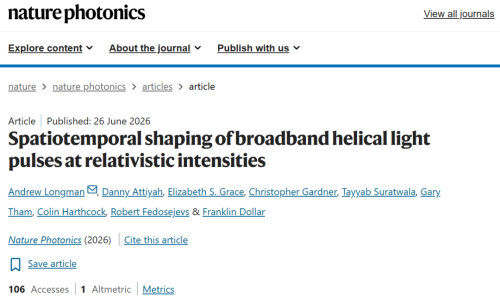
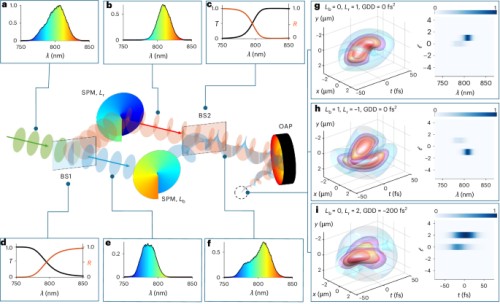
Figure 1: Generation of a high-intensity broadband optical spring
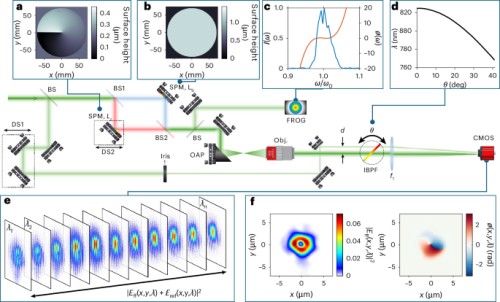
Figure 2: Experimental setup for generating and measuring relativistic-intensity light springs.
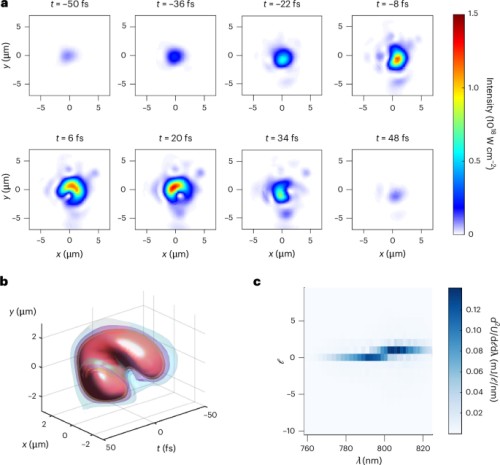
Figure 3: Measurement of the optical spring with Lr = 1, Lb = 0, and GDD = 120 fs².
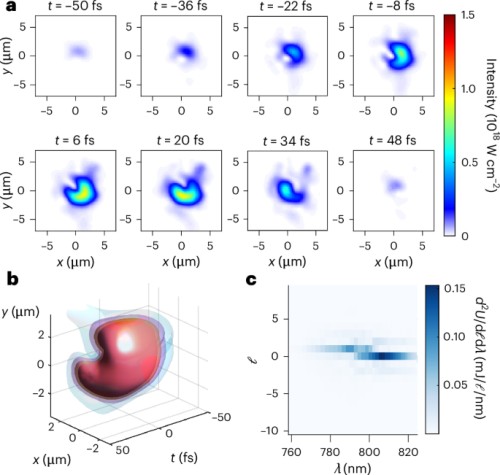
Figure 4: Measurement of the optical spring with Lr = 0, Lb = 1, and GDD = 120 fs².
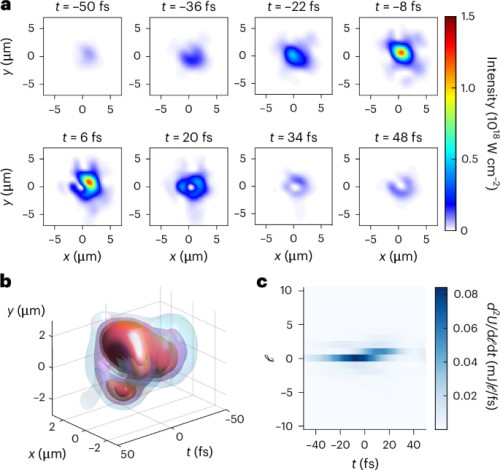
Figure 5: Measurement of a negative-chirp optical spring with Lr = 0, Lb = 1, and GDD = −1490 fs².
Source: Optics World
LATEST NEWS
Thank you for visiting the official website of Chongfan Technology. If you have cooperation intentions or suggestions, please contact us through the following methods, and we will reply as soon as possible, thank you!
Address: Room 403, Building 6, Phase III of R&D, No. 36 Xiyong Avenue, High tech Zone, Chongqing, China.
Telephone: +86-13658337211
E-mail: Sales@cfkeji.net
Website: www.cfkeji.net
Mobile Version