
Chongfan Technology
News
28
2026
-
07
High-Dimensional Electromagnetic Modulation Based on Spatiotemporal Metasurface Antennas
Author:
The team of Geng-Bo Wu at City University of Hong Kong has proposed a high-dimensional electromagnetic (EM) modulation paradigm based on a compact, one-bit waveguide-integrated spatiotemporal metasurface antenna (STMA), intended for physical-layer security (PLS) communications. The STMA integrates direct modulation of the +1 harmonic, controllable phase modulation, frequency modulation, and pseudo-random modulation with tunable time delays, functioning as an active information-processing platform that embeds data directly into the physical radiation process. Unlike conventional spread-spectrum techniques, the security enhancement in this design stems not merely from increased bandwidth but from the expansion of the effective EM state space, thereby improving spectral efficiency and bolstering resistance to interference and eavesdropping. These findings demonstrate that electromagnetic dimension engineering represents a viable approach to constructing secure and efficient wireless systems.
The research findings were published in Advanced Science on July 20, 2026, under the title “Space-Time Metasurface Antenna Enabled High-Dimensional Electromagnetic Modulation for Intrinsic Physical Layer Security.”
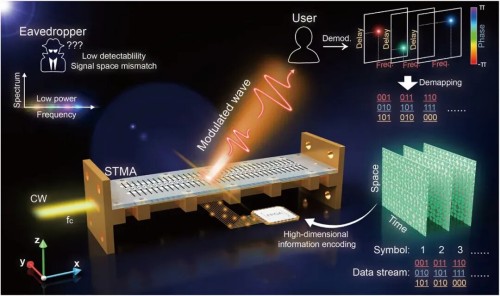
Figure 1: Conceptual diagram illustrating the use of STMA to achieve high-dimensional electromagnetic modulation for physical-layer security.
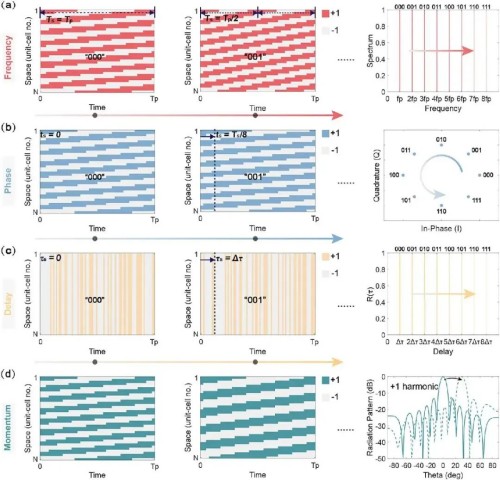
Figure 2: STMA High-Dimensional Modulation Scheme
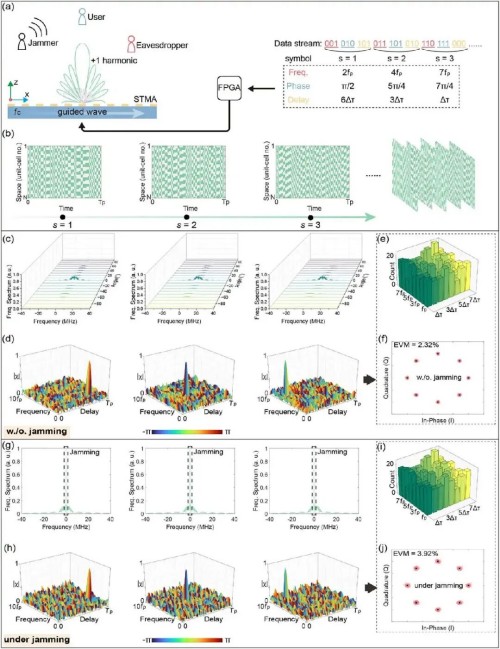
Figure 3: Simulated physical-layer security communication performance, protecting against eavesdropping and interference.
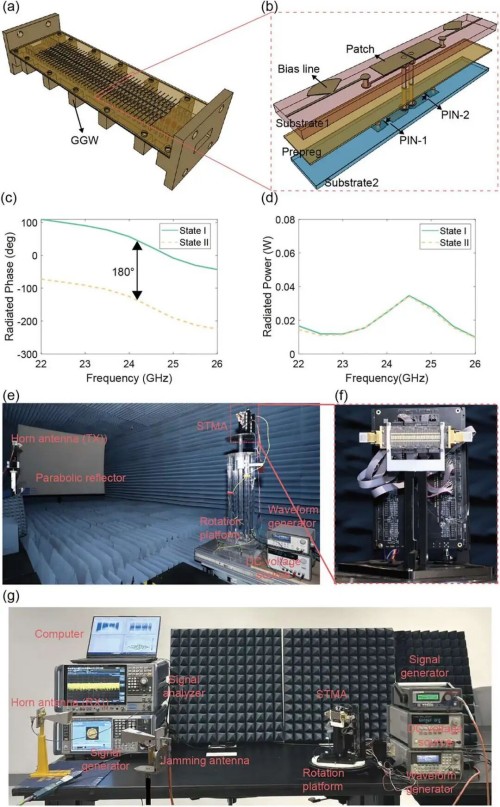
Figure 4: STMA Configuration and Experimental Setup
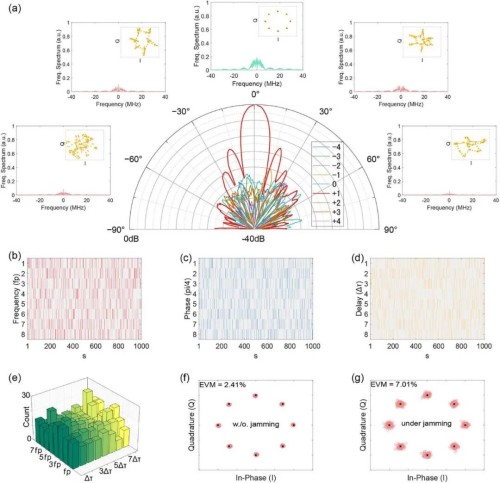
Figure 5: Measured secure communication performance at θ = 0°.
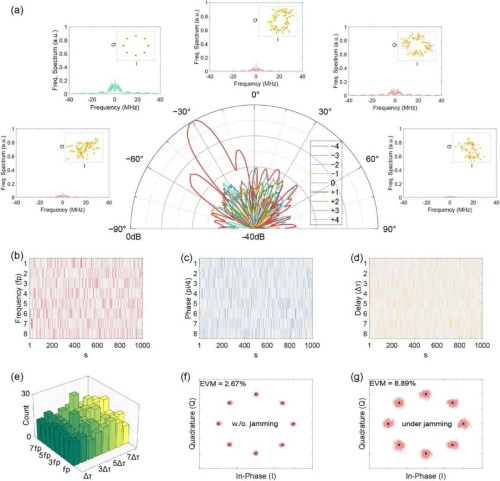
Figure 6: Measured secure communication performance at θ = 30°.
Source: Optics World
LATEST NEWS
Thank you for visiting the official website of Chongfan Technology. If you have cooperation intentions or suggestions, please contact us through the following methods, and we will reply as soon as possible, thank you!
Address: Room 403, Building 6, Phase III of R&D, No. 36 Xiyong Avenue, High tech Zone, Chongqing, China.
Telephone: +86-13658337211
E-mail: Sales@cfkeji.net
Website: www.cfkeji.net
Mobile Version