
Chongfan Technology
News
13
2026
-
07
Polarization-Resolved Full-Wavefield Coherent LiDAR
Author:
The team led by David B. Lindell at the University of Toronto has proposed a polarization‑based, full‑wavefield coherent LiDAR system that can recover the Jones matrix of surface points—encoding material and geometric surface properties as observed through the system’s illumination and collection apertures—along with depth and velocity information, all from a single measurement. The authors achieve this by: (1) repurposing a commercially available coherent optical modulator–demodulator, typically used in telecommunications, for ultrafast full‑wavefield modulation and detection; and (2) developing a polarization‑sensitive imaging model and inversion algorithm capable of disentangling the system’s optical response from that of the target surface. This approach delivers millimeter‑level depth resolution, reliable velocity measurements, and polarization‑based surface‑property information, operating with microsecond exposure times, eye‑safe optical power, and insensitivity to ambient light.
The research findings were published in Optica on June 18, 2026, under the title “Polarimetric full-wavefield coherent lidar.”
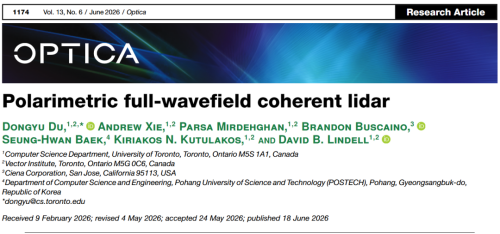
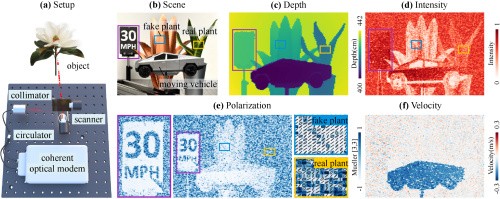
Figure 1: Simultaneous ranging, velocity measurement, and polarization sensing based on polarization‑resolved full‑wavefield coherent LiDAR.
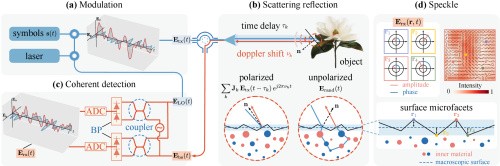
Figure 2: Polarization-Resolved Coherence Measurement Model
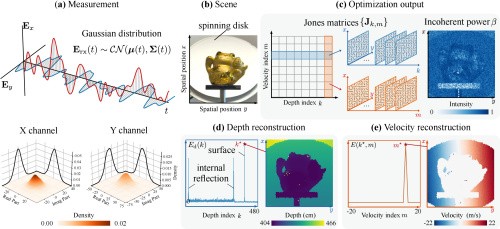
Figure 3: Overview of Scene Reconstruction
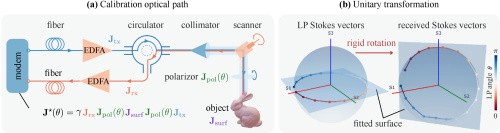
Figure 4: Overview of Polarization Calibration
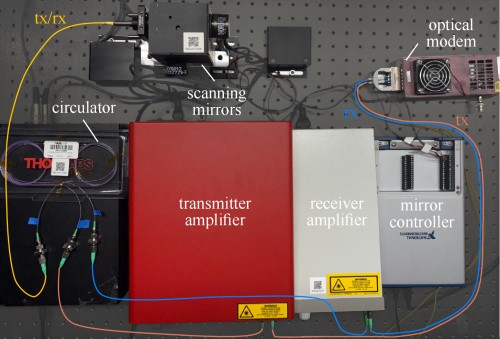
Figure 5: Hardware Prototype
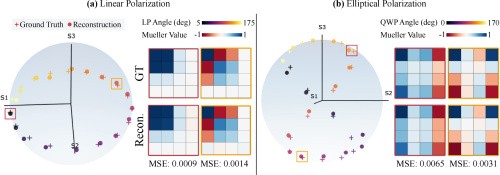
Figure 6: Polarization Calibration Results
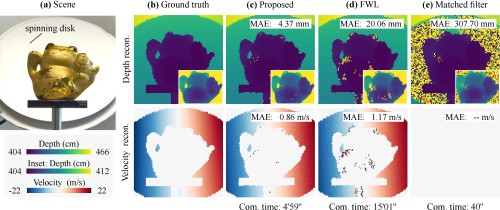
Figure 7: Comparison of Depth and Speed Reconstruction Across Different Algorithms
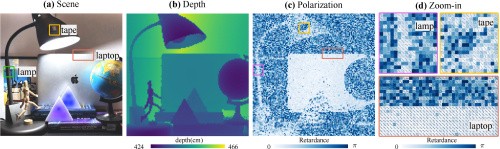
Figure 8: Reconstruction under Strong Ambient Light
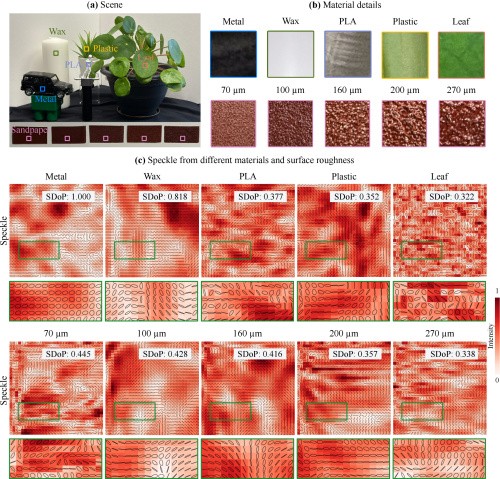
Figure 9: Polarization speckle caused by different materials and surface roughness.
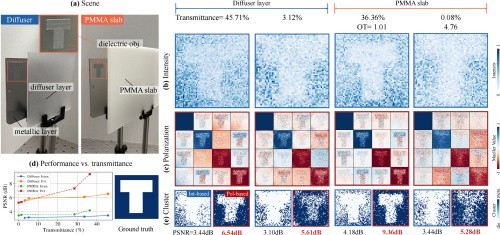
Figure 10: Polarimetric imaging through scattering media with varying scattering intensities.
Source: Optics World
LATEST NEWS
Thank you for visiting the official website of Chongfan Technology. If you have cooperation intentions or suggestions, please contact us through the following methods, and we will reply as soon as possible, thank you!
Address: Room 403, Building 6, Phase III of R&D, No. 36 Xiyong Avenue, High tech Zone, Chongqing, China.
Telephone: +86-13658337211
E-mail: Sales@cfkeji.net
Website: www.cfkeji.net
Mobile Version